
Jan 20, 2026
Vibe coding, upgraded: multi‑agent flow with OpenClaw
What changed when I split one assistant into specialized agents with clear responsibilities.
“Vibe coding” used to mean ad‑hoc prompts and hoping the output landed. That changed when I moved to a multi‑agent setup built around OpenClaw. The difference is less about raw speed and more about stability.
The shift: one brain → multiple roles
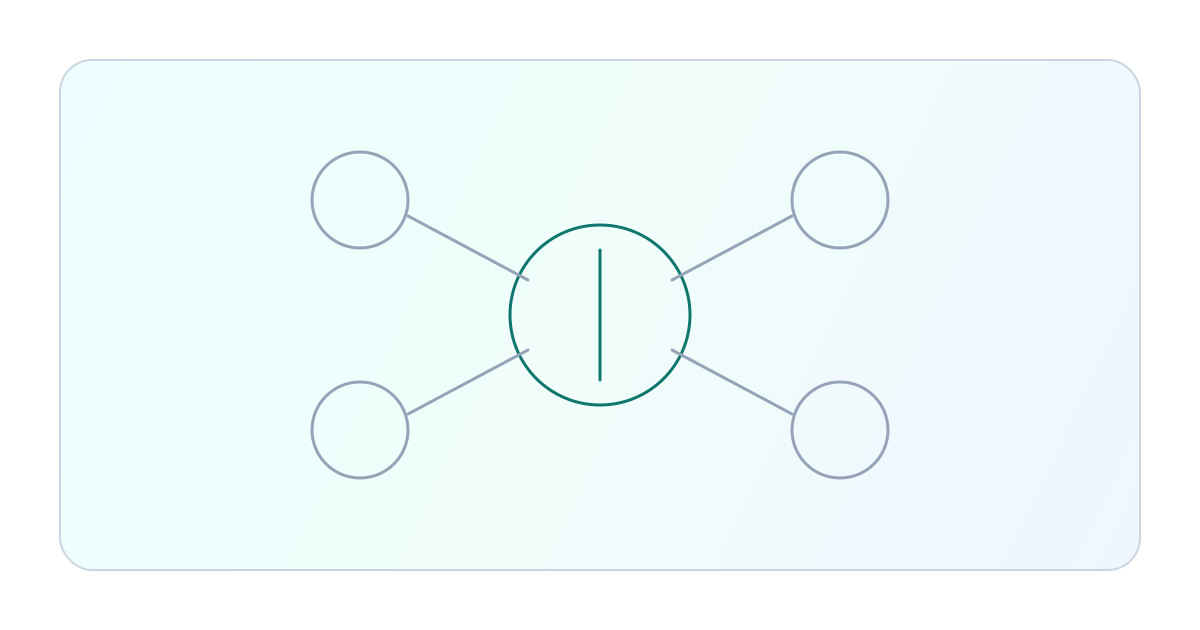
Instead of a single assistant doing everything, I now use a small group of purpose‑built agents:
- Planner: breaks work into steps, checks constraints
- Builder: implements the plan with minimal scope creep
- Reviewer: tests for edge cases and readability
- Doc: updates notes and summaries
Each agent has a tight system prompt and a narrow responsibility, which keeps the conversation from drifting.
Why OpenClaw made it practical
OpenClaw handles the coordination and context handoff. Agents can focus on their job while still sharing a consistent view of the repo and goals.
Example flow:
1) Planner → “Outline changes and risks”
2) Builder → “Implement step 1 only”
3) Reviewer → “Check for regressions + style”
4) Doc → “Summarize and update notes”
The real payoff
I get fewer sweeping changes, more consistent style, and a reliable audit trail. When a change fails, it’s easier to pinpoint the responsible step.
This is still vibe coding — just with guardrails. And that makes it a lot more usable for real projects.