
Feb 12, 2026
OpenClaw and the shift to agentic workflows
How customized agent sets and broad skill libraries turned AI use from chats into coordinated workflows.
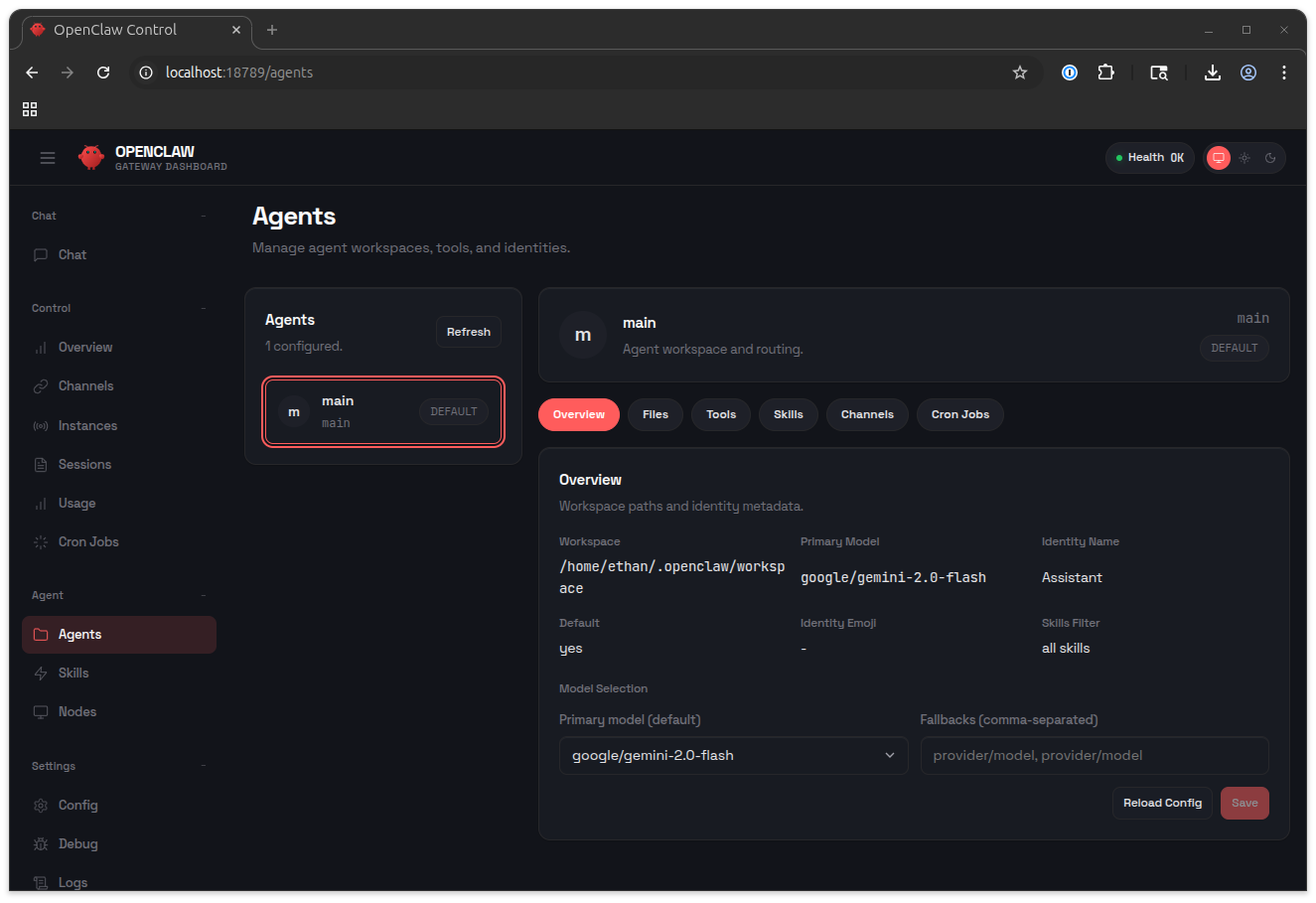
OpenClaw changed how I think about AI in software delivery. It takes the experience beyond a single chat and makes it practical to work with sets of customized agents that share context but focus on different responsibilities.
From single chat to agentic workflows
Early AI use was mostly synchronous chat: ask, respond, repeat. That’s useful, but it’s easy to lose structure. The moment you introduce agents with clear roles, the work becomes a workflow instead of a conversation. Planning, building, reviewing, and documenting can happen in parallel — with accountability in each step.
Easy access to customized agent sets
OpenClaw makes it simple to assemble teams of agents that match the work. I can spin up a planner, a builder, and a reviewer with distinct prompts and guardrails. That reduces drift, keeps scope tight, and makes it easier to reason about the output.
A large skill surface that enables real work
What makes OpenClaw useful isn’t just orchestration — it’s the breadth of skills available to the agents. When an agent can analyze a codebase, reason about dependencies, and surface edge cases, it stops being a novelty and starts acting like a focused teammate.
Why this matters for software teams
Agentic workflows help turn AI into a reliable part of delivery:
- Clear roles and constraints reduce hallucination risk.
- Smaller steps make reviews faster and safer.
- Shared context keeps output consistent across tasks.
The result is still human‑led development — just with smarter, more specialized support. OpenClaw is the first system I’ve used that makes this feel natural instead of forced.